


ACC 200 mg
Effervescent tablets (water-soluble)
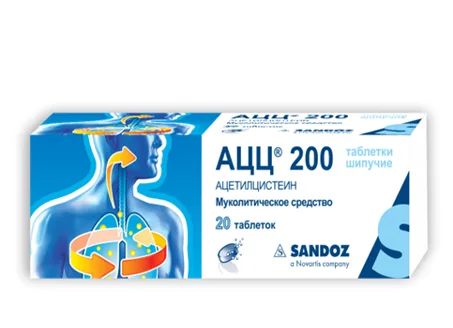
ACC 200 mg
Effervescent tablets (water-soluble)
Dosage:
- Children 2–5 years: ½ tablet, 2–3 times daily
- Children 6–14 years: 1 tablet, twice daily
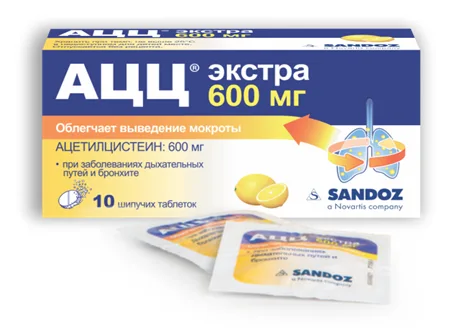
ACC Extra 600 mg
Effervescent tablets (water-soluble)
Dosage:
- Adolescents and adults (14 years and older): 1 tablet once daily
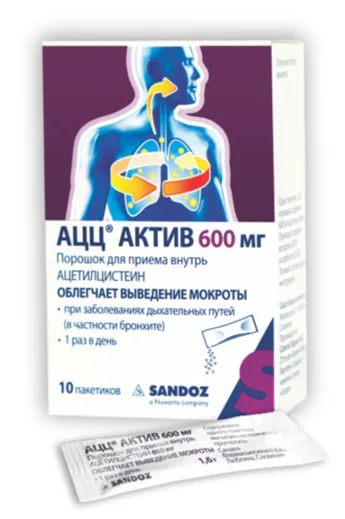
ACC Active 600 mg
Powder (granules for oral use, to be placed on the tongue)
Dosage:
- Adolescents and adults (14 years and older): 1 sachet once daily
Where To Buy





ACC® – Mucolytic for Productive Cough
Overview:
ACC® contains acetylcysteine and is used to help thin thick mucus and make coughing more
effective. It is available over-the-counter in Georgia and can be purchased in all major
pharmacy chains, including:
PSP
Aversi
GP Pharmacy
Pharmadepo
Impex
Available Forms:
ACC® 200 mg – Effervescent tablet (lemon-flavored)
ACC Extra® 600 mg – Effervescent tablet (lemon-flavored)
ACC Active® 600 mg – Oromucosal powder (forest berry flavor, to be placed on the
tongue)
Dosage Instructions:
For Adults and Adolescents (14+ years):
ACC® 200 mg effervescent tablets: 1 tablet, 2–3 times daily (400–600 mg
acetylcysteine/day)
ACC Extra® 600 mg effervescent tablets: ½ tablet twice daily or 1 tablet once daily (600
mg acetylcysteine/day)
ACC Active® 600 mg powder: 1 sachet once daily (600 mg acetylcysteine/day). Sprinkle
the powder directly on the tongue; do not chew. Swallowing is facilitated by saliva.
Water is not required. Recommended for patients with reduced cough reflex (e.g.,
elderly or weakened patients).
For Children:
2–5 years: ACC® 200 mg – ½ effervescent tablet, 2–3 times daily (200–300 mg
acetylcysteine/day)
6–14 years: ACC® 200 mg – 1 effervescent tablet, twice daily (400 mg
acetylcysteine/day)
How to Use:
Dissolve ACC® 200 mg or ACC Extra® 600 mg in half a glass of water and drink.
Sprinkle ACC Active® 600 mg powder directly on the tongue.
Indications:
ACC® is indicated for acute and chronic respiratory conditions with thick, difficult-to-
expectorate mucus, including:
Influenza
Acute and chronic bronchitis (including obstructive)
Bronchiolitis
Bronchiectasis
Pneumonia
Laryngitis
Tracheitis
Cystic fibrosis
Sinusitis
When to Take:
Take ACC® during the daytime. Avoid taking it before bedtime, especially at the start of
treatment, as thinner mucus may trigger coughing that could disturb sleep.
Storage:
Store ACC® in its original packaging, at temperatures ≤25°C, and out of reach of children.
Pregnancy and Breastfeeding:
Limited data are available for acetylcysteine use during pregnancy. No information is available
regarding acetylcysteine in breast milk. Use only under medical supervision after assessing
potential risks and benefits.
Warnings and Precautions:
Discontinue ACC® and consult a physician if you notice changes in skin or mucous
membranes.
Do not use if you recently had hemoptysis (bloody cough) or are hypersensitive to
acetylcysteine or any ingredients.
Consult a doctor or pharmacist before use if you have asthma, a history of
bronchospasm, gastric ulcer, or histamine sensitivity.
Side Effects:
Like all medications, ACC® may cause side effects, although not everyone experiences them. For
detailed information on side effects, consult your physician or pharmacist.
Office #10, 37m Ilia Chavchavadze Ave.
Tbilisi 0179, Georgia